


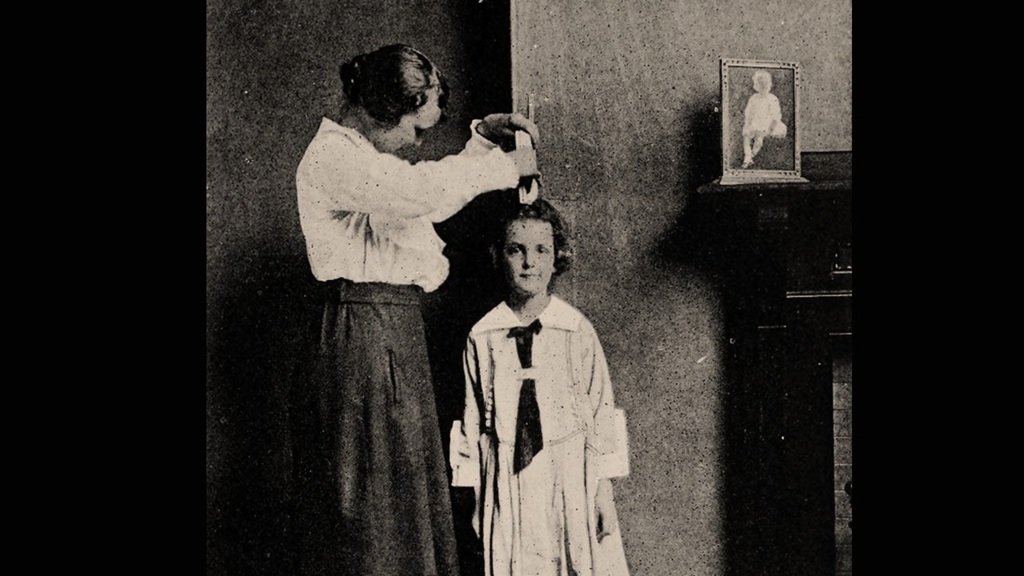
The Measure of a Woman (or a Man)
We’re measured in our mother’s womb
by ultrasound to check all’s well,
a heads up for an infant’s room,
to know will pink or blue be swell.
We’re measured on the day we’re born,
when by the pound and ounce we’re weighed;
once botty-slap and cry—forlorn—
are done, inside a cot we’re laid.
We’re measured by malicious peers
as teens; we’re judged by taste in bands,
by spotty face, by too big ears,
by clothes we wear and if they’re brands.
We’re measured in our adult lives
by paycheque size, by where we stay,
by who our husbands are, or wives,
and where we go on holiday.
We’re measured when our body clocks
reach midnight (when the road we pave
in life is done), to fit a box,
and by who’s mourning at our grave.
But shouldn’t we be measured by
the folk we’ve helped, by kindly deeds,
by heartfelt acts of good that fly
’gainst ego’s transitory needs?
A World of Two Hemispheres
A tree, its branches stirring, takes a hit;
the bolt illumes the landscape; time is slowed;
then thunder roars, shattering the pitt-
er patter as the clouds let loose their load.
A cat creeps underneath a kitchen chair,
an astraphobic housewife quakes with fear;
some students put up brollies as a dare,
outside, to challenge Nature, for a beer.
Upon the sea a ship crests monstrous waves,
its godless crewmen praying for their lives,
afraid they’ll be condemned to watery graves
and see no more their mothers or their wives.
Yet elsewhere on our planet, sunny skies
loom over lands where buds and blooms arise.
Paul A. Freeman is the author of Rumours of Ophir, a crime novel which was taught in Zimbabwean high schools and has been translated into German. In addition to having two novels, a children’s book and an 18,000-word narrative poem (Robin Hood and Friar Tuck: Zombie Killers!) commercially published, Paul is the author of hundreds of published short stories, poems and articles.













These are both excellent poems Paul. I especially enjoyed “The Measure,” and agree with its message 1,000 percent. Nicely done!
Thanks, Russell. ‘The Measure’ was written to a prompt and I was pleasantly pleased with the result. If only that were always the case.
I concur with the measure of a man or woman is not by ego-fed ascendancy such as money or social status but by deeds. “The World of Two Hemispheres” contains an apt description of the variance of our world at any point in time. I was fascinated with the division of the word “pitt-er” to complete a rhyme.
By using ‘pitt-er’, the syllables split and on different lines, I was hoping to get the effect of the type of rainstorm that starts off staggered before the heavens open up. It was done on a whim, so who knows.
Thanks for your positivity.
Job well done on both! Like Russel, I was particularly drawn to “The Measure”. I can’t disagree with any of it, and I appreciate the reminder that I need to get on with my kindly deeds.
Thanks, Warren. I’m glad ‘The Measure’ is getting a positive reaction. As I mentioned above, it was one of those poems, one that turns out as you hoped, unlike the other 99%.
Indeed, Paul, you’re right, we should be measured by our kindly deeds, and probably will be, if we’ve done any. The implication is obvious, and of course, it’s a kind of measuring that we can best affect by our own actions. I particularly appreciate, in the second poem, your matter-of-fact snapshots of differing moods and fates in different places. These should be food for the philosopher. Here, violence and destruction, there, jolly fun or imminent death. And who can be sure which he’ll get on any random day? Interestingly, you don’t draw any overt conclusions, and I do think that was a good choice here. You show snapshots calmly, leaving the reader to deal with one of the old problems of philosophy–as all of us uncertain and vulnerable readers must do for ourselves. There are many reflections to be made from just these few lines and observations you’ve put together. (I particularly like the cat under the chair, that’s vivid!) Thanks for the opportunity to reflect.
Thanks for commenting, Bhikkhu. Yes, we do often find ourselves wrapped up in our own worlds, our own problems and our own outlooks, worried all the time about what people think. It’s only human. I do try to help the needy on the streets here, and to go that extra mile for my students – after all, they’ll be inheriting the mess we’ve made, but in the final analysis we are parochial creatures.
I live in Africa, a continent where one day a country is on its way up, and overnight it can plunge into turmoil, so I’m very aware of those ‘two hemispheres’. It’s sometimes difficult to put yourself in another’s shoes when your own hemisphere is so nice and peaceful, and distant from the chaos.
Good, Paul–both. In the last line of the 1st, you could go on (not to say should!): the “go’s transitory needs” may be one’s own or anothers
In the 2nd, you remind me of the adage, “there are no atheists in foxholes.”
Thanks for reading and commenting, Julian. Glad you liked them. I usually leave poems after publication a year or two before looking with fresh eyes, but yeah, already there are areas to consider re-wording.
What an array of measuring sticks, Paul! About your conclusion that the best might be “kindly deeds” and “heartfelt acts of good,” I had to reflect on how many of those are NOT used in measuring because they are unknown, misjudged, or ignored. Still, what better can we think of? “Deeds” and “acts” are visible, while the virtues within, though they may be more important, cannot be judged effectively by others who don’t fully know the circumstances (or the silence!) in which they’re exercised. Or by oneself, in relation to others. A good poem for measuring thoughts, or taking one’s own measure.
Thanks for reading and commenting, Margaret. Unfortunately, these days there seems to be no such thing as a good deed. Is a good deed virtue signalling, a measured put down of others, a selfish action done to make us feel good about ourselves, or an action forced on us by peer pressure and social expectations? Personally, I’ve lived long enough and seen enough to know how lucky I am compared to others and have no qualms about lending a hand to those those less fortunate who I can help. Our days are numbered, so why not leave a positive legacy.
I agree, Paul. There are good deeds done simply because of need or lack in the recipients, and power to help in the doer. More often than we might think, delighted appreciation in a recipient spreads the good in a wave of generous good feeling that makes the world warmer.