• Submit Poetry
  • Support SCP
  • About Us
  • Members
  • Join
Saturday, September 5, 2026
Society of Classical Poets
  • Poems
    • Beauty
    • Culture
    • Satire
    • Humor
    • Children’s
    • Art
    • Ekphrastic
    • Epic
    • Epigrams and Proverbs
    • Human Rights in China
    • Music
    • Performing Arts
    • Riddles
    • Science
    • Song Lyrics
    • The Environment
    • The Raven
    • Found Poems
    • High School Poets
    • Terrorism
    • Covid-19
  • Poetry Forms
    • Sonnet
    • Haiku
    • Limerick
    • Villanelle
    • Rondeau
    • Pantoum
    • Sestina
    • Triolet
    • Acrostic
    • Alexandroid
    • Alliterative
    • Blank Verse
    • Chant Royal
    • Clerihew
    • Rhupunt
    • Rondeau Redoublé
    • Rondel
    • Rubaiyat
    • Sapphic Verse
    • Shape Poems
    • Terza Rima
  • Great Poets
    • Geoffrey Chaucer
    • Emily Dickinson
    • Homer
    • Henry Wadsworth Longfellow
    • Dante Alighieri
    • John Keats
    • John Milton
    • Edgar Allan Poe
    • William Shakespeare
    • William Wordsworth
    • William Blake
    • Robert Frost
  • Love Poems
  • Contests
  • SCP Academy
    • Educational
    • Teaching Classical Poetry—A Guide for Educators
    • Poetry Forms
    • The SCP Journal
    • Books
No Result
View All Result
Society of Classical Poets
  • Poems
    • Beauty
    • Culture
    • Satire
    • Humor
    • Children’s
    • Art
    • Ekphrastic
    • Epic
    • Epigrams and Proverbs
    • Human Rights in China
    • Music
    • Performing Arts
    • Riddles
    • Science
    • Song Lyrics
    • The Environment
    • The Raven
    • Found Poems
    • High School Poets
    • Terrorism
    • Covid-19
  • Poetry Forms
    • Sonnet
    • Haiku
    • Limerick
    • Villanelle
    • Rondeau
    • Pantoum
    • Sestina
    • Triolet
    • Acrostic
    • Alexandroid
    • Alliterative
    • Blank Verse
    • Chant Royal
    • Clerihew
    • Rhupunt
    • Rondeau Redoublé
    • Rondel
    • Rubaiyat
    • Sapphic Verse
    • Shape Poems
    • Terza Rima
  • Great Poets
    • Geoffrey Chaucer
    • Emily Dickinson
    • Homer
    • Henry Wadsworth Longfellow
    • Dante Alighieri
    • John Keats
    • John Milton
    • Edgar Allan Poe
    • William Shakespeare
    • William Wordsworth
    • William Blake
    • Robert Frost
  • Love Poems
  • Contests
  • SCP Academy
    • Educational
    • Teaching Classical Poetry—A Guide for Educators
    • Poetry Forms
    • The SCP Journal
    • Books
No Result
View All Result
Society of Classical Poets
No Result
View All Result
Home Poetry Culture

‘This Present Madness’ by Cynthia Erlandson

December 21, 2021
in Culture, Poetry
A A
17
poems 'This Present Madness' by Cynthia Erlandson

.

This Present Madness

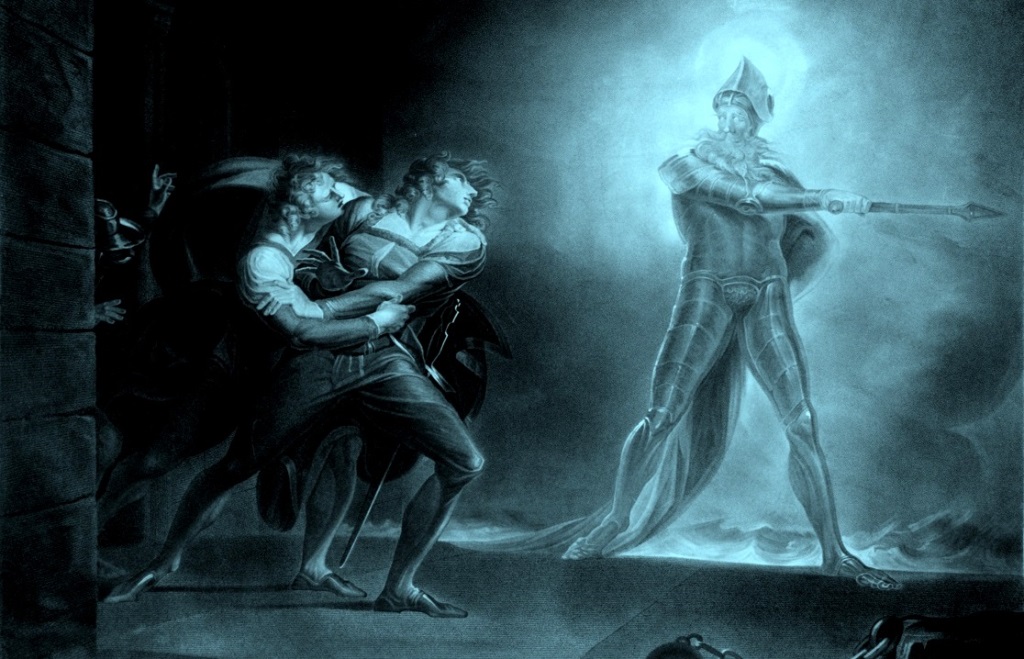
“To sleep! Perchance to dream; aye, there’s the rub…..” —Shakespeare, Hamlet

I

The daily nightmare hovers; and each night
We pray to stay unconscious—not to dream
(Perchance to prophesy the planet’s scream
At despots’ brutal thefts and threats.) The plight
Of humans hangs half-hid behind a cloud
Heavy with thickening threats; betrays a theme
We strongly sense as some infernal scheme
Portending horror. Surely nothing good
Could lie in wait behind this stifling screen:
A sorcery we sense, though still unseen.

.

II

We wake into a bad dream every dawn;
The moments we can blessedly forget
This present madness that the world is in—
When we are free to have a pleasant thought—
Are fewer every day, and far between.
Increasingly, insanity reverses
Serenity; steals courage; cruelly curses
The watchful mind that’s overwhelmed with what
Day’s dreads reveal: advancing fearsome forces
Of chaos, thickening their plot. They strut
Proudly on the loud and hellish courses
That trace themselves on earth and in the brain.
Furious neurons race, transmitting pain
Of rage and grief, foretelling looming harm.
Darkening omens conquer calmness. Gloom
Closes quickly in and shrinks the room
While mental noise outshouts the clock’s alarm
And, wide awake, we sense the coming doom.

.

.

Cynthia Erlandson is a poet and fitness professional living in Michigan.  Her second collection of poems, Notes on Time, has recently been published by AuthorHouse, as was her first (2005) collection, These Holy Mysteries.  Her poems have also appeared in First Things, Modern Age, The North American Anglican, The Orchards Poetry Review, The Book of Common Praise hymnal, and elsewhere.
ShareTweetPin
The Society of Classical Poets does not endorse any views expressed in individual poems or commentary.
Read Our Comments Policy Here

RandomPoems

‘I Taught a Lesson to My Toes’ by David Watt
Beauty

‘I Taught a Lesson to My Toes’ by David Watt

September 15, 2018

I Taught a Lesson to My Toes I taught a lesson to my toes, They’d overstepped the mark, Escaping time...

Three Poems on the Holocaust by Peter Austin
Culture

Three Poems on the Holocaust by Peter Austin

June 29, 2020

  See the St Louis The St Louis sailed from Hamburg in May, 1939. The 938 passengers were refused entry...

Next Post
‘Hedge Theory’ by David Watt

'Hedge Theory' by David Watt

‘The People That Walked in Darkness’ by Paul Erlandson

'The People That Walked in Darkness' by Paul Erlandson

‘An Aussie Christmas’ and Other Poetry by David Watt

'The Tunnel to Australia' by Jeff Eardley

Comments 17

  1. Daniel Kemper says:
    5 years ago

    The echo of “This Present Darkness” cannot be missed. Indeed, mad times and foreboding feelings are captured in this poem, although with some really nice sonic acrobatics that alleviate the gloom a bit. “insanity reverses
    Serenity” is not a pleasant message, but is so cleverly spun it made me smile.

    Reply
    • Cynthia Erlandson says:
      5 years ago

      Thank you, Daniel! I’m glad it made you smile. And thank you for the phrase “sonic acrobatics”. Music — both in words and in notes — is, I think, one of the things we need most to help us stay (somewhat) sane among the madness. Another is physical movement of some sort, if not exactly acrobatics. 🙂

      Reply
  2. Peter Hartley says:
    5 years ago

    Cynthia – “At despots’ brutal thefts and threats” is a good line – every nation on earth is at the mercy of the threat of coups d’état and despotic rule. What Daniel so well describes as “sonic acrobatics” can provide the poet, at least, with some sort of short-lived anaesthesia in this mad and dangerous world.

    Reply
    • Cynthia Erlandson says:
      5 years ago

      Thank you, Peter.

      Reply
  3. Margaret Coats says:
    5 years ago

    Cynthia, this is really dreadful! Magnificently effective, as you have resisted all hope and humor! It may be like what the sibyls said when they prophesied disasters, but from what we know of them, they focused on the events (wars, earthquakes) more than on the resultant societal crumbling and personal emotions in response to it. Your speaker, however, does not know what event is expected, but is well aware of the fear and horror it suggests. I think I can see and understand some of what’s going on these days, but I too treasure the “moments we can blessedly forget/The present madness.” Excellent title for a terribly thoughtful poem.

    I’m wondering a little about why you said “the planet’s scream” in line 3. It sounds environmentalist, and of course the despots claim to favor the environment above its peoples. I would have named “people” rather than “planet” as what is being oppressed by despots, but maybe you are calling them out for hypocrisy. You have forces of chaos “on earth and in the brain” in Part II, saying that whatever these forces are, they are wreaking universal havoc.

    Reply
  4. Paul Freeman says:
    5 years ago

    This poem cleverly hints at darkness and disaster, while keeping the exact form of the impending chaos suitably obscure to allow each individual to fill in the blanks.

    I was reminded of ‘Darkness’, by Byron, a blank verse, apocalyptic masterpiece written in 1816, I believe, when a volcanic explosion in Indonesia (some years before Krakatoa) sent up enough ash and dust to dim the sun for a months on end and play havoc with crop yields and weather patterns.

    Reply
    • Cynthia Erlandson says:
      5 years ago

      Paul, I’m grateful that you’ve alerted me to “Darkness” by Byron; I just read it, and it is overwhelmingly profound and beautifully written (and depressing). I’m honored that my poem reminded you of it. Thank you.

      Reply
  5. Cynthia Erlandson says:
    5 years ago

    I’m very grateful for your thoughtful comments, Margaret — thank you. I do understand what you mean about “the planet’s scream”; and perhaps substituting “people” for “planet” is a good idea. What was meant was, all of the people (or maybe all of the people who are aware that something sinister is going on) on the planet. As I’ve thought about it, my major reaction is that perhaps the word “planet” can be added to the growing list of words that leftists have stolen from us by re-defining them or forcing their own connotations on them — justice, for instance is the main one that comes to mind, along with “green”, “gender”, “peace” (way back in the ’60’s), and even “rainbow”. And my hope is that, by continuing to use these words to mean what they actually mean, we won’t lose them all. I once had a conversation with someone who kept using the word “protest” to describe riots; and it bothered her that I kept using the word “riots” to describe riots. But again, thank you for your comments and encouragement.

    Reply
    • Margaret Coats says:
      5 years ago

      Great answer to the “planet” question, and you are making me think again about simple, straightforward use of those “stolen” words. I agree we should do it. Even accepting a “new” meaning of stolen words, and using the new meaning ironically, somehow abandons language to its fate–which is not what poets should be doing.

      Reply
  6. Brian Yapko says:
    5 years ago

    Cynthia, thank you for a well-written, sobering read. This is a very fine poem with many memorable phrases and literary devices to admire. I especially like “[t]he watchful mind that’s overwhelmed with what/ Day’s dreads reveal. ” This poem speaks of the insomnia and the desire to escape the anxiety that results from “despots’ brutal thefts and threats” — and more. It reflects worry on a literally global, possibly apocalyptic, scale. Invoking Hamlet is interesting for the “sleep, perchance to dream” reference and, in truth, your poem is as bleak and gloomy as Elsinore. Unfortunately, that is both honest and fair since that is the world of war in which we now find ourselves. You capture it well. But I hope that is not the end of the story.

    The best response I can call to mind is the dialog between Frodo and Gandalf in Tolkien’s Fellowship of the Ring: “I wish it need not have happened in my time,” said Frodo. “So do I,” said Gandalf, “and so do all who live to see such times. But that is not for them to decide. All we have to decide is what to do with the time that is given us.”

    Reply
    • Cynthia Erlandson says:
      5 years ago

      Thank you very much, Brian. I, too, hope that this is not the end of the story. I certainly don’t want to think that it is. Your connection of the poem’s idea to the Frodo and Gandalf conversation is profound; I do so wish it hadn’t happened in our time. But I suppose that’s selfish, since it had to happen in someone’s time.

      Reply
  7. C.B. Anderson says:
    5 years ago

    Don’t be so cheerful; show us the world as it really is. Seriously, this poem, if nothing else, is an exemplar of what it means to master mood. And you left almost nothing out. (I write “almost” because there might be things we both missed.)

    Reply
    • Cynthia Erlandson says:
      5 years ago

      Thank you so much , C.B.!

      Reply
  8. Susan Jarvis Bryant says:
    5 years ago

    Cynthia, this is very clever indeed and taps into this crazy world’s current paranoia with literary skill.

    Reply
    • Cynthia Erlandson says:
      5 years ago

      Thank you, Susan!

      Reply
  9. Anna J Arredondo says:
    5 years ago

    Cynthia,
    Wow. What a powerful piece; not only a commentary on the outer madness of the world, but an insight into its psychological repercussions, on the mentally stable and unstable alike.
    I appreciate (from the comments) your “mission” to hold onto words and conscientiously use them to mean what they mean.
    My favorite image from your poem is the mental noise outshouting the alarm clock. I almost physically felt that sickly knot in my gut and rapid heartbeat as when I am jolted awake by my own foreboding thoughts.

    Reply
    • Cynthia Erlandson says:
      5 years ago

      Thank you s much, Anna!

      Reply

Leave a Reply Cancel reply

Your email address will not be published. Required fields are marked *


  1. Theresa Werba on ‘The Cristero Centennial’: A Poem by Margaret CoatsSeptember 5, 2026

    Thank you Margaret for sharing this piece of history with us. I very much identify with the tone of your…

  2. Roy Eugene Peterson on ‘Victory’: A Poem by Jonathan GraverSeptember 5, 2026

    Johnathan, I find this a stirring poem so fitting for our 250th anniversary with great depictions of the past and…

  3. Paul Freeman on ‘Victory’: A Poem by Jonathan GraverSeptember 5, 2026

    I recall the 200th anniversary when I made and painted a models of an English soldier and a rebel soldier…

  4. Jessica Vara on The Society of Classical Poets 2026 Haiku CompetitionSeptember 5, 2026

    (Reposting as the formatting didn't work in the last attempt, sorry!) -- see the idle wind fidget with the crisping…

  5. BDW on ‘Humdrum and Harum-Scarum’: A Lecture on Free Verse, by Robert Bridges (1922)September 5, 2026

    First off, I would like to note that Margaret Coats' literary criticism, though not as deep as Poe’s, outshines his…

Subscribe to Daily Poems

Enter your email address to subscribe to this blog and receive notifications of new posts by email.

Join 1,635 other subscribers

Recent Poems

  • ‘Victory’: A Poem by Jonathan Graver
  • ‘The Cristero Centennial’: A Poem by Margaret Coats
  • ‘A Potpourri of Aphoristic Verses’ by C.B. Anderson
  • ‘The Estuary’: A Poem by Jeff Eardley
  • ‘A World Without the Wednesday Child’: A Poem by Kimberly Fore
  • The 2026 Society of Classical Poets International Poetry Competition
  • The 2026 SCP International High School Poetry Competition
  • ‘Realistic Reflections’ and Other Poetry by Anna J. Arredondo
  • ‘China Made’: A Poem by Theresa Werba
  • ‘The Savage Moon’ and Other Poetry by Brian Yapko
  • Poetry Book Review: Love Found, Yearned For, and Lost by James A. Tweedie
  • ‘When Opportunity Knocks’: A Poem by Roy E. Peterson
  • ‘Legend of the Griffin’: A Poem by Iryna Hall
  • ‘Government Issue’ and Other Poems by Joseph S. Salemi
  • ‘Chaucer Announces His Desire to Retire’: A Poem by Paul A. Freeman
  • ‘Advantages of Restaurants’ and Other Poems by Russel Winick
  • ‘Bone China’: A Poem by Mary Gardner
  • ‘On the Death of One Too Young to Die’: A Poem by Jeffrey Essmann
  • ‘This Too Shall Pass’ and Other Poetry by Justin Dasher
  • ‘Humdrum and Harum-Scarum’: A Lecture on Free Verse, by Robert Bridges (1922)
  • ‘Unrest On the Floodplain’: A Poem by Bhikkhu Nyanasobhano
  • ‘Latitude and Loss’: A Poem by Martin Briggs
  • ‘Act III’ and Other Poetry by C.B. Anderson
  • ‘God’s Funeral’: A Poem by James Sale
  • ‘Star Festival’: A Poem by Margaret Coats
  • ‘Song of the Frog Princess’: A Poem by Scharlie Meeuws
  • ‘The Odyssey: Nolan and Solot Compared’: An Essay by Michael Curtis
  • ‘Solitude’ and Other Poems by Mary Jane Myers
  • ‘The River Not Taken’ and Other Poetry by Brian Yapko
  • ‘Totentanz’: A Poem by James A. Tweedie

Categories

  • Acrostic
  • Alexandroid
  • Alliterative
  • Art
  • Best Poems
  • Blank Verse
  • Chant Royal
  • Classical Poets Live
  • Clerihew
  • Covid-19
  • Deconstructing Communism
  • Educational
  • Epic
  • Epigrams and Proverbs
  • Essays
    • Interviews with Poets
    • Poetry Reviews
  • Featured
  • From the Society
  • Great Poets
    • Dante Alighieri
    • Edgar Allan Poe
    • Emily Dickinson
    • Geoffrey Chaucer
    • Henry Wadsworth Longfellow
    • Homer
    • John Keats
    • John Milton
    • Robert Frost
    • William Blake
    • William Shakespeare
    • William Wordsworth
  • Human Rights in China
  • Limerick
  • Love Poems
  • Music
  • Pantoum
  • Performing Arts
  • Poetry
    • Beauty
    • Children's Poems
    • Culture
    • Ekphrastic
    • Found Poems
    • High School Poets
    • Humor
    • Riddles
  • Poetry Challenge
  • Poetry Contests
  • Poetry Forms
    • Curtal Sonnet
    • Haiku
  • Poetry Readings
  • Rhupunt
  • Rondeau
  • Rondeau Redoublé
  • Rondel
  • Rubaiyat
  • Sapphic Verse
  • Satire
  • Science
  • Sestina
  • Shape Poems
  • Short Stories
  • Song Lyrics
  • Sonnet
  • Symposium
  • Terrorism
  • Terza Rima
  • The Environment
  • Translation
  • Triolet
  • Video
  • Villanelle

Quick Links

  • About Us
  • Submit Poetry
  • Become a Member
  • Members List
  • Support the Society
  • Advertisement Placement
  • Comments Policy
  • Terms of Use

Welcome Back!

Login to your account below

Forgotten Password?

Retrieve your password

Please enter your username or email address to reset your password.

Log In
No Result
View All Result
  • Poems
    • Beauty
    • Culture
    • Satire
    • Humor
    • Children’s
    • Art
    • Ekphrastic
    • Epic
    • Epigrams and Proverbs
    • Human Rights in China
    • Music
    • Performing Arts
    • Riddles
    • Science
    • Song Lyrics
    • The Environment
    • The Raven
    • Found Poems
    • High School Poets
    • Terrorism
    • Covid-19
  • Poetry Forms
    • Sonnet
    • Haiku
    • Limerick
    • Villanelle
    • Rondeau
    • Pantoum
    • Sestina
    • Triolet
    • Acrostic
    • Alexandroid
    • Alliterative
    • Blank Verse
    • Chant Royal
    • Clerihew
    • Rhupunt
    • Rondeau Redoublé
    • Rondel
    • Rubaiyat
    • Sapphic Verse
    • Shape Poems
    • Terza Rima
  • Great Poets
    • Geoffrey Chaucer
    • Emily Dickinson
    • Homer
    • Henry Wadsworth Longfellow
    • Dante Alighieri
    • John Keats
    • John Milton
    • Edgar Allan Poe
    • William Shakespeare
    • William Wordsworth
    • William Blake
    • Robert Frost
  • Love Poems
  • Contests
  • SCP Academy
    • Educational
    • Teaching Classical Poetry—A Guide for Educators
    • Poetry Forms
    • The SCP Journal
    • Books

© 2025 SCP. WebDesign by CODEC Prime.