• Submit Poetry
  • Support SCP
  • About Us
  • Members
  • Join
Saturday, August 22, 2026
Society of Classical Poets
  • Poems
    • Beauty
    • Culture
    • Satire
    • Humor
    • Children’s
    • Art
    • Ekphrastic
    • Epic
    • Epigrams and Proverbs
    • Human Rights in China
    • Music
    • Performing Arts
    • Riddles
    • Science
    • Song Lyrics
    • The Environment
    • The Raven
    • Found Poems
    • High School Poets
    • Terrorism
    • Covid-19
  • Poetry Forms
    • Sonnet
    • Haiku
    • Limerick
    • Villanelle
    • Rondeau
    • Pantoum
    • Sestina
    • Triolet
    • Acrostic
    • Alexandroid
    • Alliterative
    • Blank Verse
    • Chant Royal
    • Clerihew
    • Rhupunt
    • Rondeau Redoublé
    • Rondel
    • Rubaiyat
    • Sapphic Verse
    • Shape Poems
    • Terza Rima
  • Great Poets
    • Geoffrey Chaucer
    • Emily Dickinson
    • Homer
    • Henry Wadsworth Longfellow
    • Dante Alighieri
    • John Keats
    • John Milton
    • Edgar Allan Poe
    • William Shakespeare
    • William Wordsworth
    • William Blake
    • Robert Frost
  • Love Poems
  • Contests
  • SCP Academy
    • Educational
    • Teaching Classical Poetry—A Guide for Educators
    • Poetry Forms
    • The SCP Journal
    • Books
No Result
View All Result
Society of Classical Poets
  • Poems
    • Beauty
    • Culture
    • Satire
    • Humor
    • Children’s
    • Art
    • Ekphrastic
    • Epic
    • Epigrams and Proverbs
    • Human Rights in China
    • Music
    • Performing Arts
    • Riddles
    • Science
    • Song Lyrics
    • The Environment
    • The Raven
    • Found Poems
    • High School Poets
    • Terrorism
    • Covid-19
  • Poetry Forms
    • Sonnet
    • Haiku
    • Limerick
    • Villanelle
    • Rondeau
    • Pantoum
    • Sestina
    • Triolet
    • Acrostic
    • Alexandroid
    • Alliterative
    • Blank Verse
    • Chant Royal
    • Clerihew
    • Rhupunt
    • Rondeau Redoublé
    • Rondel
    • Rubaiyat
    • Sapphic Verse
    • Shape Poems
    • Terza Rima
  • Great Poets
    • Geoffrey Chaucer
    • Emily Dickinson
    • Homer
    • Henry Wadsworth Longfellow
    • Dante Alighieri
    • John Keats
    • John Milton
    • Edgar Allan Poe
    • William Shakespeare
    • William Wordsworth
    • William Blake
    • Robert Frost
  • Love Poems
  • Contests
  • SCP Academy
    • Educational
    • Teaching Classical Poetry—A Guide for Educators
    • Poetry Forms
    • The SCP Journal
    • Books
No Result
View All Result
Society of Classical Poets
No Result
View All Result
Home Poetry Beauty

‘Mud’: A Poem by Alan Brayne

August 19, 2024
in Beauty, Poetry
A A
12
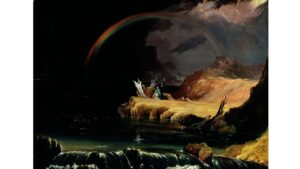
poems 'Mud': A Poem by Alan Brayne

.

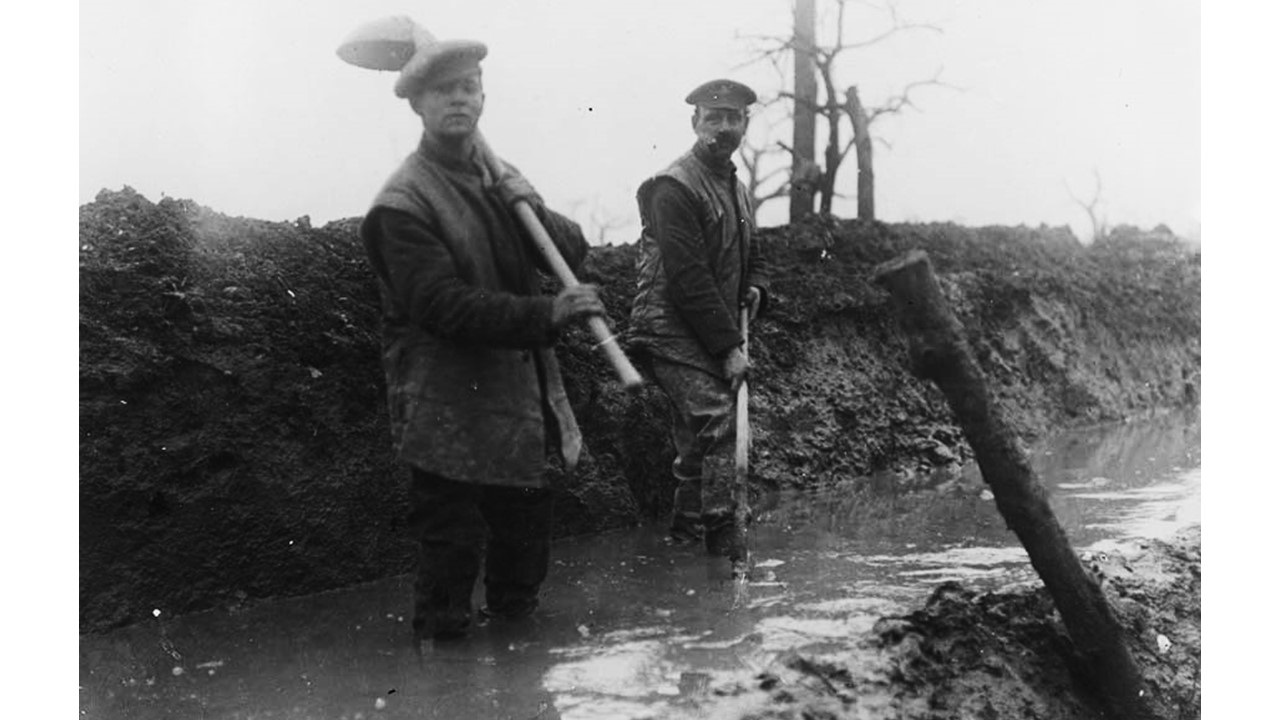
Mud

Our clip-on angel wings
are cast from shards of glass,
The sorry hymns we sing
are drowned in blaring brass.
It’s not that we are crazed
as we rub our magic rings,
but our spirit has been caged
by a lifetime’s mud that clings.

Though we grandly theorise
and curse our lowly birth,
when we try to scale the skies
we tumble back to earth.
It’s not that we are fools
when we struggle to be wise,
It’s our craving that is cruel
as the mud that clamps us dries.

Like water let us flow
till we find our given place
and with cheerfulness forgo
the rainbows that we chase.
It’s not that there’s no worth
in the humble mud below,
The meek shall take the earth
where the angels dare not go.

.

.

Alan Brayne is a retired teacher and lecturer from England now living in Malta. Recently self-published a book of poems, fiction and essays, Digging for Water. The author of three novels set in Indonesia: Jakarta Shadows, Kuta Bubbles, and Lombok Flames. His website is alanbrayne.com.

ShareTweetPin
The Society of Classical Poets does not endorse any views expressed in individual poems or commentary.
Read Our Comments Policy Here

RandomPoems

poem/majaj/culture
Beauty

A Poem on Insomnia and Other Poetry by Lisa Majaj

July 13, 2023

. Insomnia Kyrielle The stars above have gone to bed, their quilt of clouds a calming sweep as moonlight strokes...

A Shen Yun Review: ‘I Love the Dance’
Beauty

A Shen Yun Review: ‘I Love the Dance’

December 8, 2016

A rondeau on Shen Yun Performing Arts By Evan Mantyk I love the dance that can exalt The human form...

Next Post
‘Hope’: A Poem by Jeffrey Essmann

'Hope': A Poem by Jeffrey Essmann

‘Stolen Valor’ and Other Poetry for the Democratic National Convention, by Brian Yapko

'Stolen Valor' and Other Poetry for the Democratic National Convention, by Brian Yapko

‘The Mannequins Are Melting’ and Other Hot Poetry by Martin Rizley

'The Mannequins Are Melting' and Other Hot Poetry by Martin Rizley

Comments 12

  1. James A. Tweedie says:
    2 years ago

    What a sweet, lovely and deceptively deep description of our human condition. The image of mud is perfect and I love the phrase, “Our clip-on angel wings.” I’ve never had a pair but I’ve heard you can find nearly anything on Amazon! Here’s mud in your eye, Alan.

    Reply
  2. jd says:
    2 years ago

    I agree with James Tweedie. It’s a lovely poem with such a gentle flow throughout like the water it mentions and uses for advice.

    Reply
  3. Jonathan Kinsman says:
    2 years ago

    Alan, as a lament, this Larkinesque ode is bittersweet. It is our ‘mud’ or human nature that we tend to be overly tied to. It is an apt metaphor for many of us: where the waters of Baptism should cleanse us, rather, it is a reminder that to dust we shall return (“a lifetime’s mud that clings”). To steal a phrase, maybe it is the unbearable lightness of being that causes us to ‘wallow in the mire’ (pace, Jim Morrison).

    And then turning to the literal twist of the meek inheriting the earth by returning to it. . . your slyness is showing, Mr Brayne!

    Jonathan Kinsman

    Reply
  4. Alan Brayne says:
    2 years ago

    Thank you, James, jd and Jonathan for your kind feedback. I’m always scared when I rhyme that my rhymes might be a bit too obvious and my work may clunk, so the comment about the flow was especially welcome.

    Reply
  5. Joseph S. Salemi says:
    2 years ago

    It is a long-established literary topos that human beings are made of clay or earth or mud or dirt. Brayne changes this topos by making the mud something external to ourselves, which might be understood as the body serving as a cage or container for our non-material souls.

    Reply
    • Alan Brayne says:
      2 years ago

      Thanks for your feedback. You’re right – the underlying metaphor (at least for the first two verses) is ‘the ghost in the machine’ or the soul trapped in the body. Interesting, because it’s a way of looking I’d reject philosophically. But when we write, we don’t analyse in that way.

      This split between mind and matter is very common. Is it intrinsic to the human brain, or just something deeply embedded in our culture?

      The third verse is influenced by my interest in Taoism, I think.

      Reply
      • Joseph S. Salemi says:
        2 years ago

        “…it’s a way of looking I’d reject philosophically. But when we write, we don’t analyse in that way.”

        My deepest thanks to you, Mr. Brayne! I’ve been trying for decades to get poets to recognize this truth. A poem is a fictive artifact, and it doesn’t have to express a viewpoint or attitude that the poet personally shares or believes in or supports. ALL IT HAS TO BE IS AN EFFECTIVE AND AESTHETICALLY GOOD POEM, nothing else. When you are making a fictive artifact, you can say or do or imagine whatever the bloody hell you like. Poetry is a licensed zone of hyper-reality.

        Reply
        • Alan Brayne says:
          2 years ago

          Yes, I basically agree with you. Perhaps I’d say that the poet believes something when he or she says it, but it’s the poet who believes in that moment, not the person the poet is in the rest of his or her life.

          I find it strange how people accept without question the idea that fiction writers can create characters who are nothing like themselves, and yet there is a general expectation that poets must bare their souls or their ‘real selves’ when they write poetry.

          Reply
  6. Susan Jarvis Bryant says:
    2 years ago

    Alan, I like the way your poem romps along with a jaunty rhythm and I love the striking imagery. To me, it speaks of our very human condition… and the wonder of it… the closing couplet shines with hope and joy. Thank you!

    Reply
    • Alan Brayne says:
      2 years ago

      Thanks for your kind comment.

      This is my first poem here on Classical Poets, so I’m still finding my feet. I really must start returning the compliment and comment on other people’s work.

      Reply
  7. Margaret Coats says:
    2 years ago

    What a stick in the mud! Ambivalence about its symbolism is the essence of your well-written poem, Alan. Although you begin with mud as inescapable in all its filth and downward drag, you make a quick turn with “Like water let us flow.” Now mud does flow as well, and water can be a dangerously overwhelming flow, but this change of perspective itself makes a quick change. First four lines of last stanza level out passively with the recommendation to abandon cruel cravings thwarted by mud. But last four lines find worth in humility, bringing in an active potential for meriting inheritance of the mud by working through and in and with one’s mud. This is an East/West contrast. The Eastern portion of the stanza views the lotus (our Classical Poets symbol) as rising pure and natural out of mud. The Western is also classic, expressing the absolute need to merit resurrection of the mud from the mud by works of the spirit done in the body of mud. You affirm the non-angelic quality of muddy humans in both the first and last lines of the poem. Well-chosen subject for a first appearance here, and welcome to you!

    Reply
    • Alan Brayne says:
      2 years ago

      Thank you so much for a very thoughtful analysis of my poem and for the time this must have taken you. As you say, I’m new on Classical Poets and one thing I like very much is the interaction I see happening on here.

      Personally, when I try to look at it from a distance, I’m surprised by how much Christian imagery there is underlying my poem. The Taoist half-verse about water doesn’t surprise me.

      Philosophically it’s a bit of a mess, I suppose, but that’s the point of poetry (except for work that is expressly didactic or polemical).

      Thanks again for your response. I must start to return the compliment and respond to other people’s work on here.

      Reply

Leave a Reply Cancel reply

Your email address will not be published. Required fields are marked *


  1. Martin Briggs on ‘Latitude and Loss’: A Poem by Martin BriggsAugust 22, 2026

    Thanks Paul. As far as butterfly lore is concerned, I think it's hard to beat the Danish "sommerfugl", or "summer…

  2. Paul Freeman on ‘Unrest On the Floodplain’: A Poem by Bhikkhu NyanasobhanoAugust 22, 2026

    The image of 'grass ... sunken and profaned' is a strong one, and highlights the theme in the poem, of…

  3. Paul Freeman on ‘Latitude and Loss’: A Poem by Martin BriggsAugust 22, 2026

    So much fine imagery, Martin. Three of my faves - 'ancient spells incanted in Old Norse / a skein of…

  4. Paul Freeman on ‘The Odyssey: Nolan and Solot Compared’: An Essay by Michael CurtisAugust 22, 2026

    I saw Nolan's 'The Odyssey' in a packed IMAX cinema in London a couple of weeks ago, a month after…

  5. James Sale on ‘God’s Funeral’: A Poem by James SaleAugust 22, 2026

    Thanks Roy - FYI I am a big Bee Gees fan. Their first album release in the UK was in…

Subscribe to Daily Poems

Enter your email address to subscribe to this blog and receive notifications of new posts by email.

Join 1,618 other subscribers

Recent Poems

  • ‘Unrest On the Floodplain’: A Poem by Bhikkhu Nyanasobhano
  • ‘Latitude and Loss’: A Poem by Martin Briggs
  • ‘Act III’ and Other Poetry by C.B. Anderson
  • ‘God’s Funeral’: A Poem by James Sale
  • ‘Star Festival’: A Poem by Margaret Coats
  • ‘Song of the Frog Princess’: A Poem by Scharlie Meeuws
  • ‘The Odyssey: Nolan and Solot Compared’: An Essay by Michael Curtis
  • ‘Solitude’ and Other Poems by Mary Jane Myers
  • ‘The River Not Taken’ and Other Poetry by Brian Yapko
  • ‘Totentanz’: A Poem by James A. Tweedie
  • ‘In God Is Our Trust’: A Poem by Roy E. Peterson
  • ‘Confession’: A Poem by Jeffrey Essmann
  • ‘Religious Poetry, and Religionist Poetry’: An Essay by Joseph S. Salemi
  • The Zingers of Adam Sedia: A Review by Theresa Werba
  • ‘A Paradox’: A Poem by Shamik Banerjee
  • ‘A Prayer of Aristotle’: A Poem by Margaret Coats
  • ‘The Sparrow’: A Poem by Michael Pietrack
  • ‘Chemo Refusal’ and Other Poetry by Golan Shahar
  • ‘Deliverance’ and Other Poetry by Peter Venable
  • ‘Rain’ and Other Poems by Russel Winick
  • ‘The Story of a Plague’ and Other Poetry by Michael Robinson
  • ‘Javert Derailed’: A Poem by Zanna Barton
  • ‘People Forget’: A Poem by James Sale
  • ‘Good and Evil’: A Poem by Roy E. Peterson
  • ‘The Royal Arse Hortillery’: A Poem on the Spoonerism, by Jeff Eardley
  • ‘Who Hears a Robot’s Prayer?’ and Other Poetry by Brian Yapko
  • The Society of Classical Poets 2026 Haiku Competition
  • Four Love Sonnets by Adam Sedia
  • ‘Rasputina Confers with Her Cohorts’: A Poem by Joseph S. Salemi
  • ‘Warfare by Remote Control’: A Poem by Paul A. Freeman

Categories

  • Acrostic
  • Alexandroid
  • Alliterative
  • Art
  • Best Poems
  • Blank Verse
  • Chant Royal
  • Classical Poets Live
  • Clerihew
  • Covid-19
  • Deconstructing Communism
  • Educational
  • Epic
  • Epigrams and Proverbs
  • Essays
    • Interviews with Poets
    • Poetry Reviews
  • Featured
  • From the Society
  • Great Poets
    • Dante Alighieri
    • Edgar Allan Poe
    • Emily Dickinson
    • Geoffrey Chaucer
    • Henry Wadsworth Longfellow
    • Homer
    • John Keats
    • John Milton
    • Robert Frost
    • William Blake
    • William Shakespeare
    • William Wordsworth
  • Human Rights in China
  • Limerick
  • Love Poems
  • Music
  • Pantoum
  • Performing Arts
  • Poetry
    • Beauty
    • Children's Poems
    • Culture
    • Ekphrastic
    • Found Poems
    • High School Poets
    • Humor
    • Riddles
  • Poetry Challenge
  • Poetry Contests
  • Poetry Forms
    • Curtal Sonnet
    • Haiku
  • Poetry Readings
  • Rhupunt
  • Rondeau
  • Rondeau Redoublé
  • Rondel
  • Rubaiyat
  • Sapphic Verse
  • Satire
  • Science
  • Sestina
  • Shape Poems
  • Short Stories
  • Song Lyrics
  • Sonnet
  • Symposium
  • Terrorism
  • Terza Rima
  • The Environment
  • Translation
  • Triolet
  • Video
  • Villanelle

Quick Links

  • About Us
  • Submit Poetry
  • Become a Member
  • Members List
  • Support the Society
  • Advertisement Placement
  • Comments Policy
  • Terms of Use

Welcome Back!

Login to your account below

Forgotten Password?

Retrieve your password

Please enter your username or email address to reset your password.

Log In
No Result
View All Result
  • Poems
    • Beauty
    • Culture
    • Satire
    • Humor
    • Children’s
    • Art
    • Ekphrastic
    • Epic
    • Epigrams and Proverbs
    • Human Rights in China
    • Music
    • Performing Arts
    • Riddles
    • Science
    • Song Lyrics
    • The Environment
    • The Raven
    • Found Poems
    • High School Poets
    • Terrorism
    • Covid-19
  • Poetry Forms
    • Sonnet
    • Haiku
    • Limerick
    • Villanelle
    • Rondeau
    • Pantoum
    • Sestina
    • Triolet
    • Acrostic
    • Alexandroid
    • Alliterative
    • Blank Verse
    • Chant Royal
    • Clerihew
    • Rhupunt
    • Rondeau Redoublé
    • Rondel
    • Rubaiyat
    • Sapphic Verse
    • Shape Poems
    • Terza Rima
  • Great Poets
    • Geoffrey Chaucer
    • Emily Dickinson
    • Homer
    • Henry Wadsworth Longfellow
    • Dante Alighieri
    • John Keats
    • John Milton
    • Edgar Allan Poe
    • William Shakespeare
    • William Wordsworth
    • William Blake
    • Robert Frost
  • Love Poems
  • Contests
  • SCP Academy
    • Educational
    • Teaching Classical Poetry—A Guide for Educators
    • Poetry Forms
    • The SCP Journal
    • Books

© 2025 SCP. WebDesign by CODEC Prime.