• Submit Poetry
  • Support SCP
  • About Us
  • Members
  • Join
Saturday, July 18, 2026
Society of Classical Poets
  • Poems
    • Beauty
    • Culture
    • Satire
    • Humor
    • Children’s
    • Art
    • Ekphrastic
    • Epic
    • Epigrams and Proverbs
    • Human Rights in China
    • Music
    • Performing Arts
    • Riddles
    • Science
    • Song Lyrics
    • The Environment
    • The Raven
    • Found Poems
    • High School Poets
    • Terrorism
    • Covid-19
  • Poetry Forms
    • Sonnet
    • Haiku
    • Limerick
    • Villanelle
    • Rondeau
    • Pantoum
    • Sestina
    • Triolet
    • Acrostic
    • Alexandroid
    • Alliterative
    • Blank Verse
    • Chant Royal
    • Clerihew
    • Rhupunt
    • Rondeau Redoublé
    • Rondel
    • Rubaiyat
    • Sapphic Verse
    • Shape Poems
    • Terza Rima
  • Great Poets
    • Geoffrey Chaucer
    • Emily Dickinson
    • Homer
    • Henry Wadsworth Longfellow
    • Dante Alighieri
    • John Keats
    • John Milton
    • Edgar Allan Poe
    • William Shakespeare
    • William Wordsworth
    • William Blake
    • Robert Frost
  • Love Poems
  • Contests
  • SCP Academy
    • Educational
    • Teaching Classical Poetry—A Guide for Educators
    • Poetry Forms
    • The SCP Journal
    • Books
No Result
View All Result
Society of Classical Poets
  • Poems
    • Beauty
    • Culture
    • Satire
    • Humor
    • Children’s
    • Art
    • Ekphrastic
    • Epic
    • Epigrams and Proverbs
    • Human Rights in China
    • Music
    • Performing Arts
    • Riddles
    • Science
    • Song Lyrics
    • The Environment
    • The Raven
    • Found Poems
    • High School Poets
    • Terrorism
    • Covid-19
  • Poetry Forms
    • Sonnet
    • Haiku
    • Limerick
    • Villanelle
    • Rondeau
    • Pantoum
    • Sestina
    • Triolet
    • Acrostic
    • Alexandroid
    • Alliterative
    • Blank Verse
    • Chant Royal
    • Clerihew
    • Rhupunt
    • Rondeau Redoublé
    • Rondel
    • Rubaiyat
    • Sapphic Verse
    • Shape Poems
    • Terza Rima
  • Great Poets
    • Geoffrey Chaucer
    • Emily Dickinson
    • Homer
    • Henry Wadsworth Longfellow
    • Dante Alighieri
    • John Keats
    • John Milton
    • Edgar Allan Poe
    • William Shakespeare
    • William Wordsworth
    • William Blake
    • Robert Frost
  • Love Poems
  • Contests
  • SCP Academy
    • Educational
    • Teaching Classical Poetry—A Guide for Educators
    • Poetry Forms
    • The SCP Journal
    • Books
No Result
View All Result
Society of Classical Poets
No Result
View All Result
Home Poetry Culture

‘Of Windows and Lawns’: A Poem by James A. Tweedie

September 17, 2024
in Culture, Poetry
A A
13
poems 'Of Windows and Lawns': A Poem by James A. Tweedie

.

Of Windows and Lawns

“I grew up in a neighborhood of folks
who were very proud of their lawn.” —Kamala Harris

There was a theory that a single broken
Window wasn’t a big deal. But
Too many broken windows were a token
Urban streets had fallen in a rut;

A social indicator that both crime
And other social misbehaviors were
Increasing and, unless repaired, in time
The neighborhood would crumble, certain-sure.

Suburban neighborhoods? A different scene.
Instead of windows, lawns were what would tell
If streets were safe. When lawns were mown and green
Then kids could play outside, and all was well.

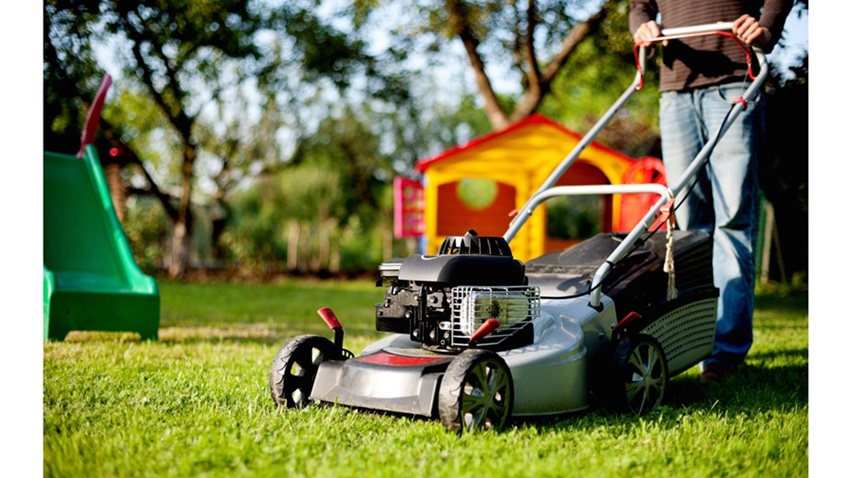
It’s fathers who fix windows, mow the lawn.
Things quickly go downhill when they are gone.

.

.

James A. Tweedie is a retired pastor living in Long Beach, Washington. He has written and published six novels, one collection of short stories, and four collections of poetry including Sidekicks, Mostly Sonnets, and Laughing Matters, all with Dunecrest Press. His poems have been published nationally and internationally in both print and online media. He was honored with being chosen as the winner of the 2021 SCP International Poetry Competition.


ShareTweetPin
The Society of Classical Poets does not endorse any views expressed in individual poems or commentary.
Read Our Comments Policy Here

RandomPoems

‘Pride Month’ by Sarban Bhattacharya
Culture

‘Pride Month’ by Sarban Bhattacharya

June 25, 2021

. To take a walk each day is good of course, But not in June, beware, for this I know:...

An Arthurian Interlude in Alliterative Verse, by Rahul Gupta
Alliterative

An Arthurian Interlude in Alliterative Verse, by Rahul Gupta

April 4, 2020

    Rahul Gupta holds a PhD for a thesis on mediaeval Germanic and modern mediaevalist metre and poetics from...

Next Post
‘Oaks of Righteousness’: A Poem by D.R. Rainbolt

'Oaks of Righteousness': A Poem by D.R. Rainbolt

A Poem on Moses on the Mount by Jeffrey Kemper

'The Father of All Lights': A Poem by James Sale

‘The Last Petal’: A Poem by Alani Timmons

'The Last Petal': A Poem by Alani Timmons

Comments 13

  1. Cynthia Erlandson says:
    2 years ago

    What a great conclusion — pretty much a surprise ending, but a good one. It logically follows that having lawns mowed is a good sign that neighborhood children are cared for by the man who would naturally care most for them. Thus, a safer neighborhood.

    Reply
    • James A. Tweedie says:
      2 years ago

      Not just mown, Cynthia, but green. I grew up among Malvina Reynold’s “little boxes” in Daly City, adjacent to San Francisco. No sprinkler systems back in those days. You watered by hand and by moveable sprinklers to keep the grass green. The mowing came after that. Hard-working men would water in the evening after getting home from work and do the mowing on Saturday or Sunday—before or after many families went to church or synagogue. The houses may have looked much the same but the people who lived in them were a diverse bunch. Mormons (our City Librarian—my boss during six years of college—was a Mormon Bishop), Jews (both Orthodox and Reformed—I was invited to bar mitzvahs, my best friend was the grandson of a Talmudic scholar, and my father’s Presbyterian church nested Rabbi Solomon Shore’s congregation for a year while they rebuilt after an electrical fire), Italian Catholics (our mayor’s parents had been immigrants from Naples and John Madden attended one of our two Italian RC private schools), our neighbors included immigrants from Russia (whose parents fled the revolution through Harbin, China), Iranians, a growing Filipino population that soon grew to be the largest gathered community of Filipinos outside the Philippines), several refugee immigrant families from the Netherlands, and my first girlfriend, who was a Mexican immigrant and a high school cheerleader born in Piedras Negras). My friends went on to become lawyers, elementary school teachers, high school principals, ministers, journalists, nurses, supermarket union employees, and, in the case of our homecoming king and star quarterback, a used car salesman. All were from two-parent homes whose fathers (and mothers, along with themselves as they grew older) watered and mowed their lawns and shared common values committed to being and becoming part of an ordered, civil society. I can’t say that any of us were proud of our lawns, but few of our families had enough money to pay for a lawn service (although neighborhood teenagers might be paid to do it). My side of town was overwhelmingly non-Black while the other side of town (where Madden went to school) had a large African-American population (and there was some tension between the two rival high schools over this difference). We were proud to be Americans (although the emerging war in Vietnam led many of us to question our nation’s political and military leadership). But in spite of our diversity, I always felt I was also part of a larger unity. Even when I spent two high school summers volunteering in elementary school-age “day camp” programs in San Francisco’s Chinatown and Outer Mission District (which included a large Black project community). In short, I am a product of what could be called a diverse, stereotypical, rising middle class community. I spent ten summers as a painter. From this, and from helping my father and older brother mow our lawn, I learned what hard, physical labor entails. And I experienced what America can look like when people share a common vision where we transcend our diversity simply by being neighbors and friends together as part of “one nation” with green lawns and a cultivated impulse to fix windows when they break.

      Reply
  2. Adam Sedia says:
    2 years ago

    Bam! You slam us with a zinger in the final couplet — a great reminder that policies have consequences. I also like that you put Harris’s statement in an epigraph rather than the poem itself. You keep the text free from pollution as it were, and do not confine your message to single person and time. Well done!

    Reply
    • James A. Tweedie says:
      2 years ago

      Thanks, Adam. Smaller, rural areas seem to keep their lawns green and their windows fixed better than urban settings. I’m not saying that racism, antisemitism and the like don’t exist in such places. But people, as a whole, are more interested in what Rodney King once famously described as “just get(ting) along” with each other.

      Reply
    • D. R. Rainbolt says:
      2 years ago

      Well done, sir! I love the twist at the end. This coupled with the Harris quote remind us how blind politicians can be to their own inconsistencies. Thank you for sharing.

      Reply
  3. Warren Bonham says:
    2 years ago

    Very well done! I hope we’re beginning to rediscover the fact that while “fish don’t need bicycles”, children do and having a mother and father is the best way to make that happen.

    Reply
  4. James A. Tweedie says:
    2 years ago

    Warren, yes, indeed. But even struggling single-parent households can contribute to a strong sense of community even with neglected lawns when they find support and acceptance from those neighbors whose lawns are green.

    Reply
  5. Roy Eugene Peterson says:
    2 years ago

    The importance of having two parents is paramount to me in your poem. I was so blessed, as you were blessed.

    Reply
    • James A. Tweedie says:
      2 years ago

      Amen to that, Roy!

      Reply
  6. James Sale says:
    2 years ago

    Brilliant concluding couplet James – and the use of the epigraph is also brilliant in its understatement. This is what real poetry can do so well and better than political ranting! Great stuff!

    Reply
    • James A. Tweedie says:
      2 years ago

      Ty, James. As you know, I recently poeticized on “political ranting” in my “Empty Words” post.

      Reply
  7. Jeff Eardley says:
    2 years ago

    Jim, most enjoyable to read, as always. You are an amazing wordsmith.

    Reply
    • James A. Tweedie says:
      2 years ago

      Thank you, Jeff. Encouraging words are always welcome!

      Reply

Leave a Reply Cancel reply

Your email address will not be published. Required fields are marked *

  1. Joseph S. Salemi on Three Brief Poems by Luxorius, Translated by Joseph S. SalemiJuly 18, 2026

    Kip, don't leave them there! Get them out to an audience. Too many "conservative" and "Christian" websites are clogged with…

  2. C.B. Anderson on Three Brief Poems by Luxorius, Translated by Joseph S. SalemiJuly 18, 2026

    I don't know whether or not I should I should be pissed-off at you for showing that my own attempts…

  3. Russel Winick on ‘When the Phone Rings’ and Other Short Poems by Russel WinickJuly 18, 2026

    Margaret — I see that I somehow missed this comment earlier, and for that I must —- apologize! I always…

  4. Russel Winick on ‘When the Phone Rings’ and Other Short Poems by Russel WinickJuly 18, 2026

    Thank you Marguerite. The quest continues.

  5. Karen Rodgers on ‘The Gold Star Mother’: A Poem by Gerard MaritatoJuly 18, 2026

    Thanks Gerry, Nick Dixon says it in one line; Publishing Censorship Has Gone Insane https://www.nickreads.com/p/publishing-censorship-has-gone-insane >they can cancel culture all…

Subscribe to Daily Poems

Enter your email address to subscribe to this blog and receive notifications of new posts by email.

Join 1,594 other subscribers

Recent Poems

  • Winners and Rankings of The Great American Poetry Competition
  • ‘The Gold Star Mother’: A Poem by Gerard Maritato
  • ‘An American Dash’: A Poem by Linda Ellis
  • ‘The Anonymous Soldier’: A Poem by Lucy Lind
  • ‘For Those We Never Meet’: A Poem by Aneesh Agarwal
  • ‘Ben Franklin’s Copper Fugio Cent’: A Poem by Geoffrey Smagacz
  • Three Brief Poems by Luxorius, Translated by Joseph S. Salemi
  • ‘The American Spirit’: A Poem by Dusty Grein
  • ‘The Ballad of Zebulon Pike’: A Poem by M.D. Skeen
  • ‘We Are the Ones’ and Other Poetry by Cheryl Corey
  • ‘My Pyjamas!’ and Other Poems by Susan Jarvis Bryant
  • ‘A Snowy Egret’: A Poem by Bruce Dale Wise
  • ‘The Swearing-in of Calvin Coolidge’: A Sonnet by Robert W. Crawford
  • ‘Ballad of the Sequoia’: A Poem by Lauren V. Leon
  • ‘The 51st State’: A Poem by James Sale
  • ‘La Uva’ (The Grape): A Poem by Michael Pietrack
  • ‘There’s Blood that Flows Within the Stripes’: A Poem by Lauren V. Leon
  • ‘Birdsong’: A Poem by Jeffrey Essmann
  • ‘The Melody That Lingers On’ and Other Poetry by John McPherson
  • ‘American Dreams’: A Poem by Adam Sedia
  • ‘An American Fabius’: A Poem by John Hernandez
  • ‘Vernal Clinic’ and Other Poetry by C.B. Anderson
  • ‘Omaha Beach’ and Other Poetry by Bradford Skow
  • ‘Music to Part the Veil’: A Poem by T.M. Moore
  • ‘A Gentleman’s Guide to Losing a War’ and Other Poetry by Arnon Peterson
  • ‘Black Shuck’: A Poem by Martin Briggs
  • ‘When the Last World War II Veteran Passes Away’: A Poem by N.S. Boone
  • ‘A Fallow Year at Worthy Farm’: A Poem by Paul A. Freeman
  • ‘Outstanding in Afghanistan’: A Poem by Jared S. Chang
  • ‘250 More’: A Poem by Miguel Moreno

Categories

  • Acrostic
  • Alexandroid
  • Alliterative
  • Art
  • Best Poems
  • Blank Verse
  • Chant Royal
  • Classical Poets Live
  • Clerihew
  • Covid-19
  • Deconstructing Communism
  • Educational
  • Epic
  • Epigrams and Proverbs
  • Essays
    • Interviews with Poets
    • Poetry Reviews
  • Featured
  • From the Society
  • Great Poets
    • Dante Alighieri
    • Edgar Allan Poe
    • Emily Dickinson
    • Geoffrey Chaucer
    • Henry Wadsworth Longfellow
    • Homer
    • John Keats
    • John Milton
    • Robert Frost
    • William Blake
    • William Shakespeare
    • William Wordsworth
  • Human Rights in China
  • Limerick
  • Love Poems
  • Music
  • Pantoum
  • Performing Arts
  • Poetry
    • Beauty
    • Children's Poems
    • Culture
    • Ekphrastic
    • Found Poems
    • High School Poets
    • Humor
    • Riddles
  • Poetry Challenge
  • Poetry Contests
  • Poetry Forms
    • Curtal Sonnet
    • Haiku
  • Poetry Readings
  • Rhupunt
  • Rondeau
  • Rondeau Redoublé
  • Rondel
  • Rubaiyat
  • Sapphic Verse
  • Satire
  • Science
  • Sestina
  • Shape Poems
  • Short Stories
  • Song Lyrics
  • Sonnet
  • Symposium
  • Terrorism
  • Terza Rima
  • The Environment
  • Translation
  • Triolet
  • Video
  • Villanelle

Quick Links

  • About Us
  • Submit Poetry
  • Become a Member
  • Members List
  • Support the Society
  • Advertisement Placement
  • Comments Policy
  • Terms of Use

Welcome Back!

Login to your account below

Forgotten Password?

Retrieve your password

Please enter your username or email address to reset your password.

Log In
No Result
View All Result
  • Poems
    • Beauty
    • Culture
    • Satire
    • Humor
    • Children’s
    • Art
    • Ekphrastic
    • Epic
    • Epigrams and Proverbs
    • Human Rights in China
    • Music
    • Performing Arts
    • Riddles
    • Science
    • Song Lyrics
    • The Environment
    • The Raven
    • Found Poems
    • High School Poets
    • Terrorism
    • Covid-19
  • Poetry Forms
    • Sonnet
    • Haiku
    • Limerick
    • Villanelle
    • Rondeau
    • Pantoum
    • Sestina
    • Triolet
    • Acrostic
    • Alexandroid
    • Alliterative
    • Blank Verse
    • Chant Royal
    • Clerihew
    • Rhupunt
    • Rondeau Redoublé
    • Rondel
    • Rubaiyat
    • Sapphic Verse
    • Shape Poems
    • Terza Rima
  • Great Poets
    • Geoffrey Chaucer
    • Emily Dickinson
    • Homer
    • Henry Wadsworth Longfellow
    • Dante Alighieri
    • John Keats
    • John Milton
    • Edgar Allan Poe
    • William Shakespeare
    • William Wordsworth
    • William Blake
    • Robert Frost
  • Love Poems
  • Contests
  • SCP Academy
    • Educational
    • Teaching Classical Poetry—A Guide for Educators
    • Poetry Forms
    • The SCP Journal
    • Books

© 2025 SCP. WebDesign by CODEC Prime.