


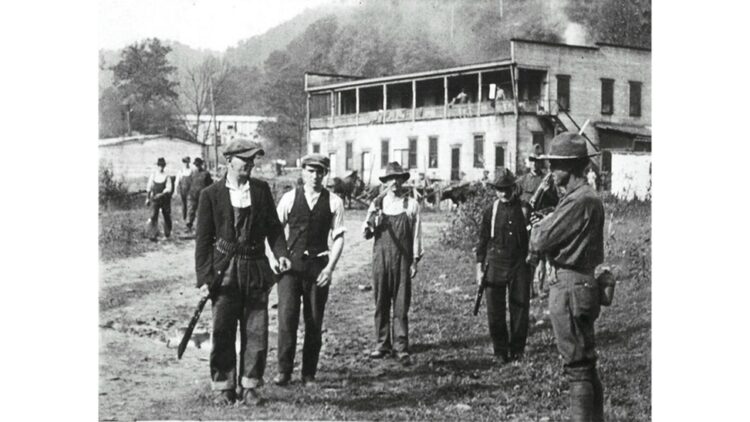
For Those We Never Meet
Before the dawn could touch the pines,
_Or gild the ridges high,
The miners left their narrow homes
_Beneath the August sky.
No trumpet hailed their marching feet,
_No drum proclaimed their names;
The mountains watched them wind below
_Like sparks before a flame.
They kissed their wives, they crossed the creeks,
_They climbed through mist and rain;
With coal dust settled in their hands
_And fervor in their veins.
Past laurel thickets dark with dew,
_Past oak and chestnut shade,
They followed winding mountain roads
_Where older trails were made.
Toward Blair Mountain rose their course,
_Through hollows deep and long;
A thousand voices joined as one,
_A thousand made a song.
Not sung for glory or for gold,
_Nor carved for men of fame,
But for the children yet unborn
_Who would not know their names.
The ridges heard the rifles’ call,
_The valleys caught the sound;
The echoes leapt from slope to slope
_And rolled through mining ground.
Yet louder than the clash of arms,
_Or anger’s fleeting breath,
Was something carried in their hearts
_That would outlive their death.
For every nation finds its strength
_Not only in its great,
But in the common souls who choose
_To bear another’s weight.
The founders pledged a daring dream
_Beside the eastern sea;
These miners kept that promise still
_Among the hills set free.
They sought no place in marble halls,
_No statue in the square;
They only hoped tomorrow’s sun
_Might rise on days more fair.
And though the years swept swiftly on
_Like rivers to the sea,
Their footsteps crossed the continent
_For those they’d never see.
In mills beside the northern lakes,
_On farms of western grain,
In busy ports and factory towns,
_Their echoes still remain.
A father home before the dark,
_A child with books to read,
A safer hand upon the wheel—
_The harvest of their seed.
Two hundred fifty years have passed
_Since freedom’s torch was raised;
It burns because of common folk
_Whose names are seldom praised.
And when our children’s children stand
_Upon some distant street,
May they remember what was won
_By those they’d never meet.
Aneesh Agarwal is an 11th grader attending Sunset High School in Portland, Oregon.

















This is a wonderful poem with historic implications about those selfless heroes whose names will never be known, but whose will and sacrifice shaped a country in desperate times with their unsung feats. I admire your young abilities that have presented us a gift that echoes through time.
I thought it was wonderful too, Aneesh. It has a striking cadence and
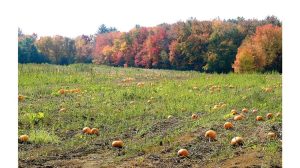
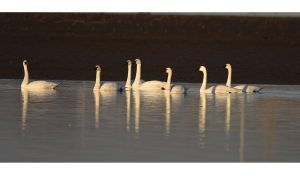
the images are beautiful.
A beautiful poem that I really enjoyed reading, other than that it brought tears to my eyes for all those lost and forgotten. Keep writing Aneesh.
I never cease to feel humbled in amazement at the talent of high schoolers on this site. You have given us a wonderful ballad, written in a clear and graceful style. Your subject is also noble, praising those who build for the future — something we need to remember these days.
Freedom’s torch “burns because of common folk.” Your well-written ballad inspires wide-ranging gratitude, Aneesh.
Mr. Agawal has generalized the largest labour insurrection in America from the early 20th century—1921, that cost the lives of up to many dozens of hard-working coal miners; and has turned it into a stirring metonymy for the country at large, memorializing unsung common folk. Thankfully the miners saw reason in the end and a deadly shoot-out was averted.
Noteworthy poetic elements are Mr. Agawal’s handling of the ballad, for example, using repetition as refrain; his touching diction, as, for example, in the descriptive first stanza; and his colorful settings throughout, choosing representative tableaux.
A wonderful anthem to those who went before, many of whom were my ancestors.
A lovely reminder that even the most humble and thankless jobs (and those who faithfully perform them) become beautiful and poetic and certainly worthy of remembrance when they are infused with the love and language of a gifted poet.