


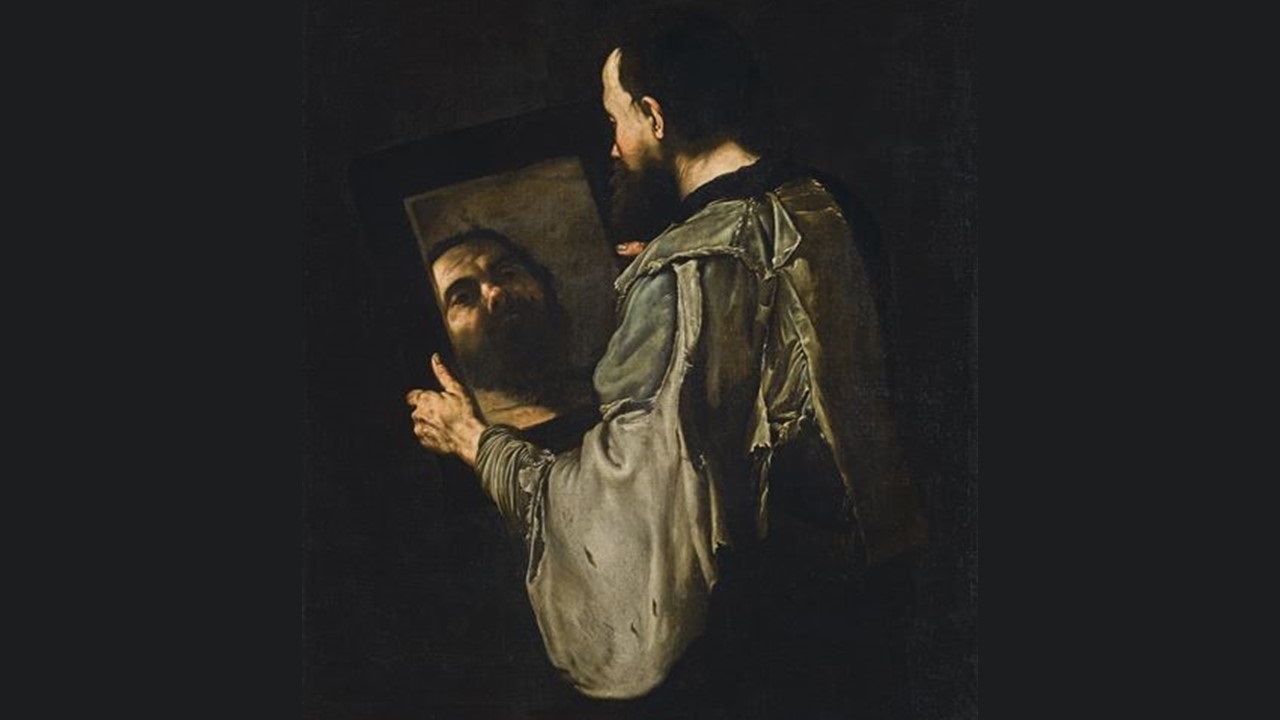
Mixed Blessing
Our image of ourselves helps keep us grounded,
As thoughts and deeds conform to feel well-founded.
It also tends to make us less adaptive,
Erecting walls inside of which we’re captive.
The Worst Time to Talk
The absolute worst time to state a feeling
Is when you’re mad enough to yell and curse.
To speak when that’s the mood with which you’re dealing
Is almost sure to make a problem worse.
Russel Winick started writing poetry after ending a long legal career. He resides in Naperville, Illinois.
















On ‘Mixed Blessing’, how we view ourselves can guide thoughts and behavior but also keep us stuck…? Don’t know if I got that right, but your poem is thought provoking, deep. And how true, ‘The worst time to talk.’ How much heartbreak we might avoid if only we shut our traps until that perilous emotion passed. Thanks for the great thoughts, Russel!
Yes Jan, you got it all exactly right. I try to capture my own thoughts and experiences, and hope that they are widely relatable. Thanks for sharing your reactions.
Age has a lot to do with the formative attitudes; however, they can change later in life, although the core has been set. You are right not to speak off the cuff when angry.
Thanks Roy. You’re right, as always!
Excellent poems both, Russel! Mixed Blessing is very observant. It is extremely easy for one’s views to become calcified into ideology. Too often we become “less adaptive” as you put it. I see it as an unwillingness to accept evidence which interferes with the narrative that we’ve invested into.
Your second poem reminded me of the old Jefferson story (sometimes attributed to Lincoln): When you are angry, count to 10 before responding. When very angry, count to 100.
Thanks Brian. We’re in synch here.
Alas, these days a lot of peer pressure seems to affect our view of ourselves and events around us. It’s humbling to walk streets that seem a million miles away from ‘the World’.
As for calming down before reacting to anger, this is a lesson out of Abe Lincoln’s book. He would let a ‘hot letter’ simmer overnight, and if he still felt angered, he’d send it off.
Thanks for the nuggets, Russel.
Thanks Paul. Your take on Mixed Blessing goes beyond what I had in mind, but it probably would have been a better poem if that weren’t the case.
Russel, I would have said “Mixed Blessing” manages to show a contrast between beneficial and detrimental aspects of a person’s self-image. But that’s supposing the person has a self-image to which he’s committed long term. The short discussion has mentioned “ideology” and “peer pressure” as things that affect self-image, but may fail to represent where one is most deeply “grounded.” Commitment to an “ideology” very often represents something negative–and I’ve used it that way myself. It means unthinking, total acceptance of a political ideal non-ideologues consider immoral and dangerous. But insofar as it is unthinking, is ideology really a part of one’s self-image?? Persons who start thinking about what their politics mean may change precisely because something else (family, religion, personal experience) appears more important. Same thing with peer pressure, which is more obviously a social construct–the self-image one shows to co-workers, schoolmates, or organizations one belongs to, but some or all of which may be easily shed at home or alone.
Now lawyers often have to deal with psychology and different kinds of SELF-presentation among clients, the firm, and the bar association! But don’t trouble yourSELF with a long exploration of SELF-image; I’ll consider both poems good as is, and let all those other SELVES go unsaid.
Wow Margaret! I, like surely many poets, hope that most of my poems stimulate thought or other reactions. You’ve certainly provided that here. Thank you so much for thinking about my work, and sharing your analyses of it — that’s always greatly appreciated!
These, like all your poems, are pearls of wisdom from and for everyday life. I cannot imagine any reader who cannot relate to either. “Mixed Blessing” indeed conveys both the positive and the negative of self-image — but implicitly suggests in its first two lines that it’s ultimately better to have than to lack.
“The Worst Time to Talk” is situational. Who among us cannot think of a time to which this applied — whether we held our tongue or not. I can think of at least five in the last year as I write this. The appeal of these poems is as much in their truth as in their brevity.
Thanks Adam, for your inspiring words!